




Product engineering · Switzerland
Electronics Development.
DOMTEKNIKA develops electronics for your prototypes, from simple circuits in an enclosure to printed circuit boards (PCBs), alongside the product’s mechanical design.
Discuss your requirementsTechnical insight
Electronics designed for your prototype.
We develop our own electronics to operate the prototypes we design. An early assembly may have room inside an enclosure; a more compact prototype may need a dedicated printed circuit board. The choice depends on the functions to verify and the target size.
| Prototype need | Our development work | What we verify |
|---|---|---|
| Make the concept work | Circuits and components combined in a simple enclosed assembly. | Control response and operation of the mechanisms. |
| Reduce the size | Electronics on a printed circuit board (PCB), sized for the available space. | Connections, mounting and access within the prototype. |
| Refine the complete system | Adjustments to the electronics alongside the product’s mechanics. | Power and functions under the agreed test conditions. |
A challenge, a real project
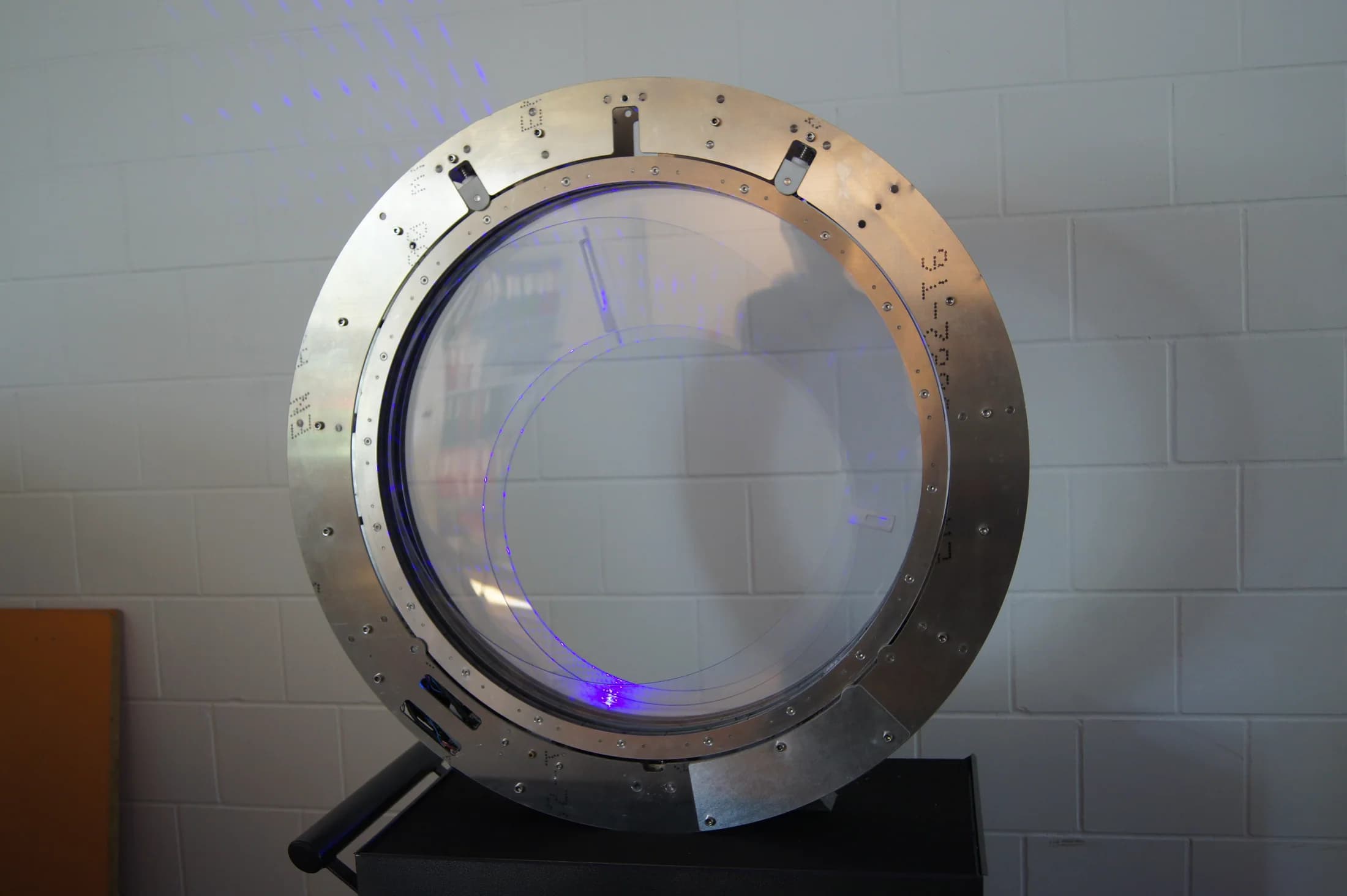
Transparent showcase clock
A synchronised clock with no visible central pivot.
For the transparent clock, DOMTEKNIKA developed the complete electrical and mechanical system. The discs are driven at their edges and the time is automatically synchronised to an atomic clock. A working prototype brought the electrical control and mechanism together in the product.
View projectWhen to involve us
Develop the electronics that make your prototype work.
- Develop electronics for a new prototype
- Move from a test assembly to a compact board
- Develop the electronics alongside the product’s mechanics
Our approach
We start with the required functions to design circuits and select components. Depending on the project stage, we develop a simple assembly in an enclosure or a compact PCB. Control and power are developed together with the prototype’s mechanisms.
Define the functions
Specify the controls, power supply and prototype interfaces.
Develop the electronics
Design the circuits and build an assembly or PCB.
Refine the prototype
Test the functions with the mechanics and adjust the design.
What you receive
- Schematics and component selection for the agreed functions
- Electronic assembly or PCB suited to the prototype
- Functional development and results of the agreed checks
Tests cover the agreed functions and the operation of the complete electromechanical system. The results guide changes to the circuits and their integration before the next development stage.
We agree the scope, tests and deliverables with you before work begins.
Frequently asked questions.
Explore the full FAQ7 questions
Do you develop electronics or only integrate them?
We develop our own electronics to operate the prototypes of products we design. This covers circuits, component selection and development of the agreed functions, alongside the mechanical design.
Does the first prototype need a PCB?
Not always. A simple assembly in an enclosure may be enough to verify a function. A printed circuit board (PCB) can then provide a more compact implementation when the project needs it.
Can you develop compact electronics?
Yes. We can design PCB electronics to fit the space available in the prototype. Functions, power, connections and mechanical constraints are defined together.
Can you work with our electronics team?
Yes. We agree how development is shared with your teams or partners and define the interfaces between the circuits and mechanics. Work can cover new electronics or integration of an existing design.
What information should we prepare?
The required functions, intended use, available space and power constraints. Existing components, schematics or prototypes can provide a starting point.
How do you validate the prototype’s electronics?
We check power, controls and functions together with the product’s mechanisms. Criteria and test conditions are agreed beforehand; the results guide corrections and subsequent versions.
Are prototype electronics ready for production?
Not automatically. The prototype verifies the intended functions. Production preparation, further testing and any applicable compliance requirements need to be defined for industrialisation.
For our first conversation
.What electronics does your prototype need?
Describe the functions, available space and work already completed. We can define the electronics and tests suited to your prototype.
Discuss your requirements