
Creativity & Innovation
We sketch several concepts, compare them against criteria agreed with you and identify the first points to verify.
Explore this service
Our Team





We help individuals and businesses of all sizes take products from an initial idea to production. Our involvement is tailored to your needs and the stage of your project.
Frequently asked questionsWe sketch several concepts, compare them against criteria agreed with you and identify the first points to verify.
Explore this serviceWe design parts and mechanisms with manufacturing, use and end of life in mind.
Explore this serviceWe calculate assembly and operating loads and deformation, including large deformations where needed.
Explore this serviceFrom a proof of concept to a functional prototype, we match the build to the principle, ergonomics or mechanical performance you need to validate.
Explore this serviceExpertise in polymer materials, injection molding and process optimization for precision components.
Explore this serviceWe develop prototype electronics, from enclosed assemblies to compact PCBs, together with their mechanical integration.
Explore this serviceBefore choosing a direction, we look at the problem from every angle: use, mechanics, materials, costs, manufacturing and risks.
This phase turns open questions into concrete routes, compares possible architectures and quickly selects the most relevant solutions.
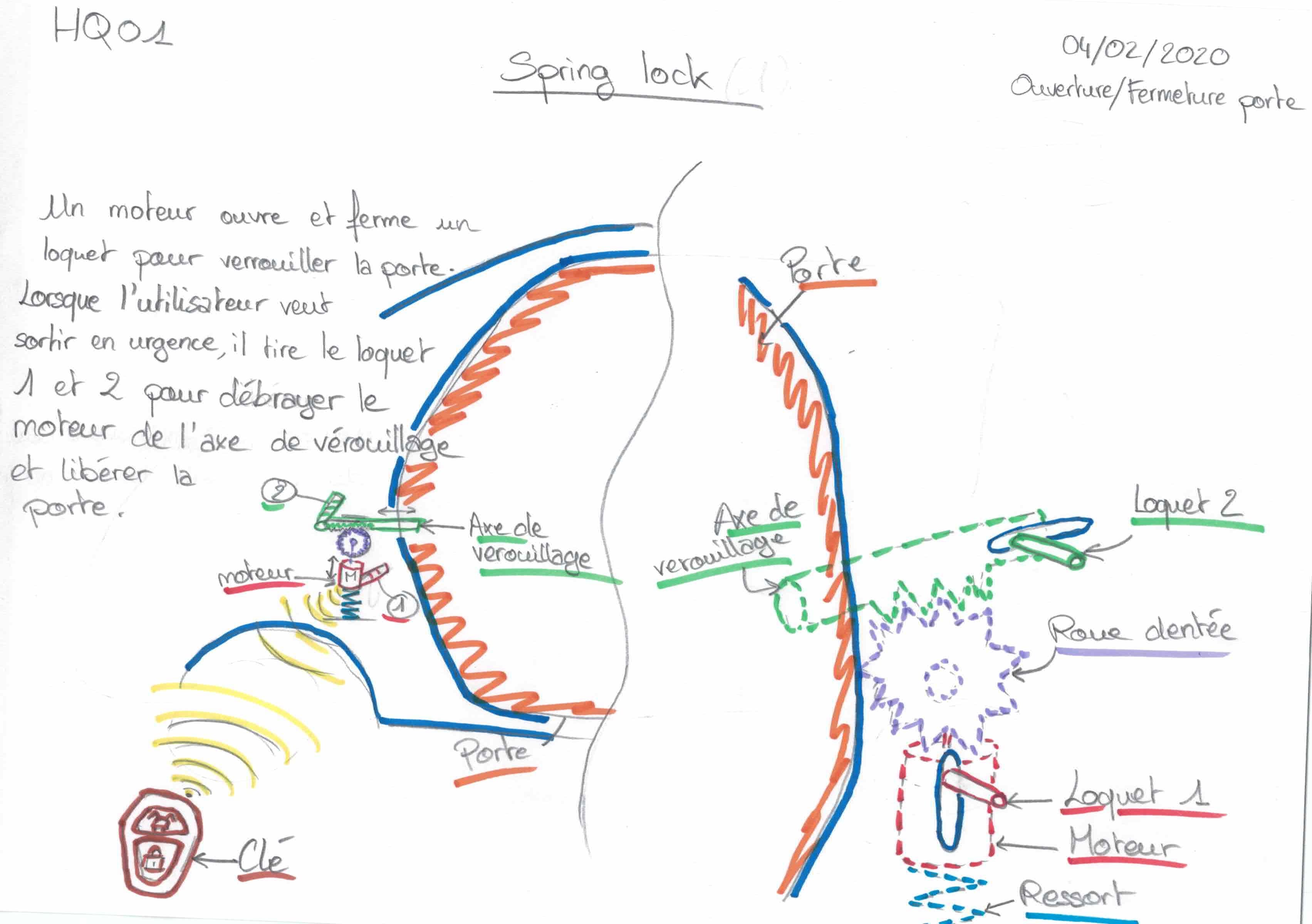
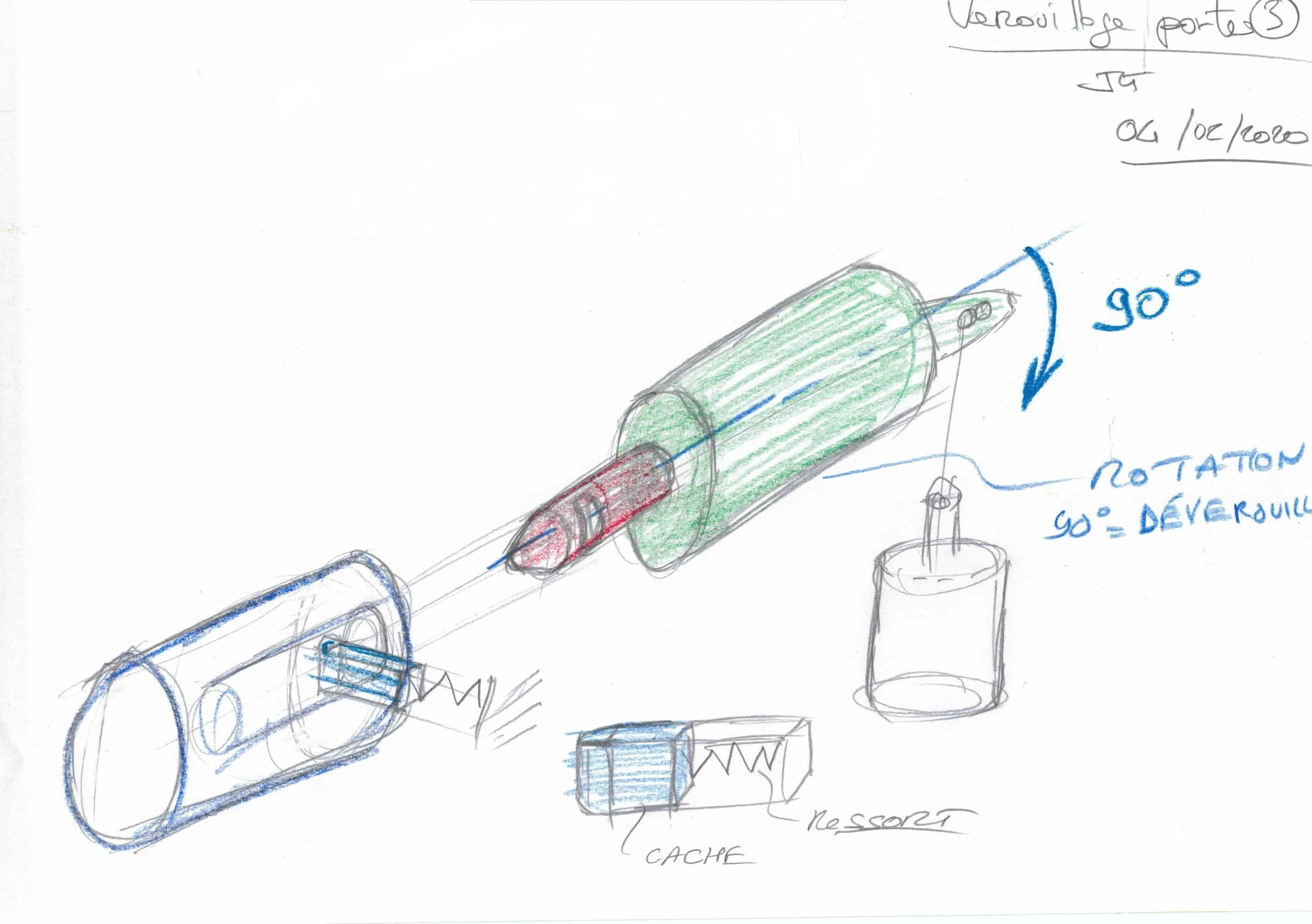
Door and rod
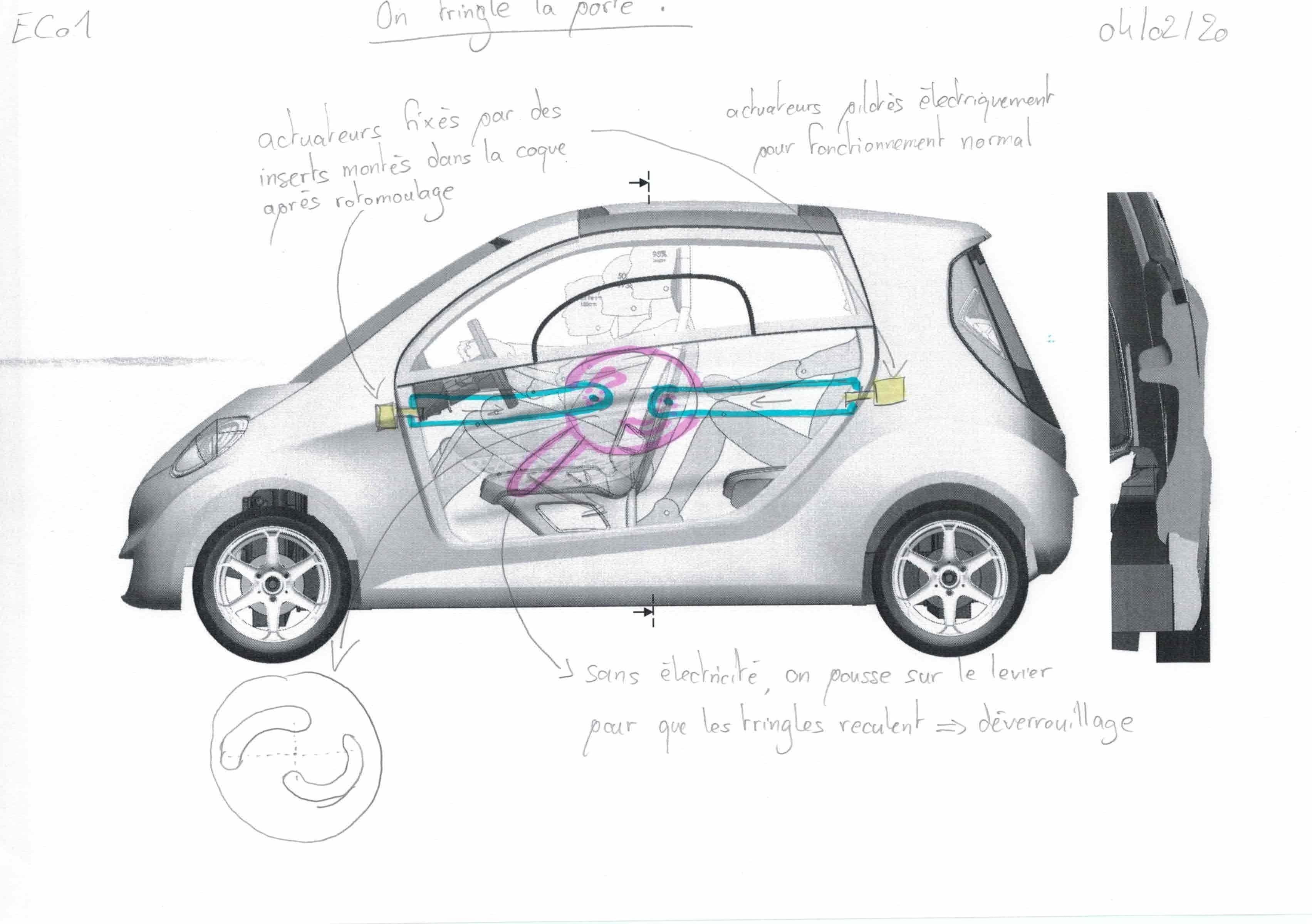
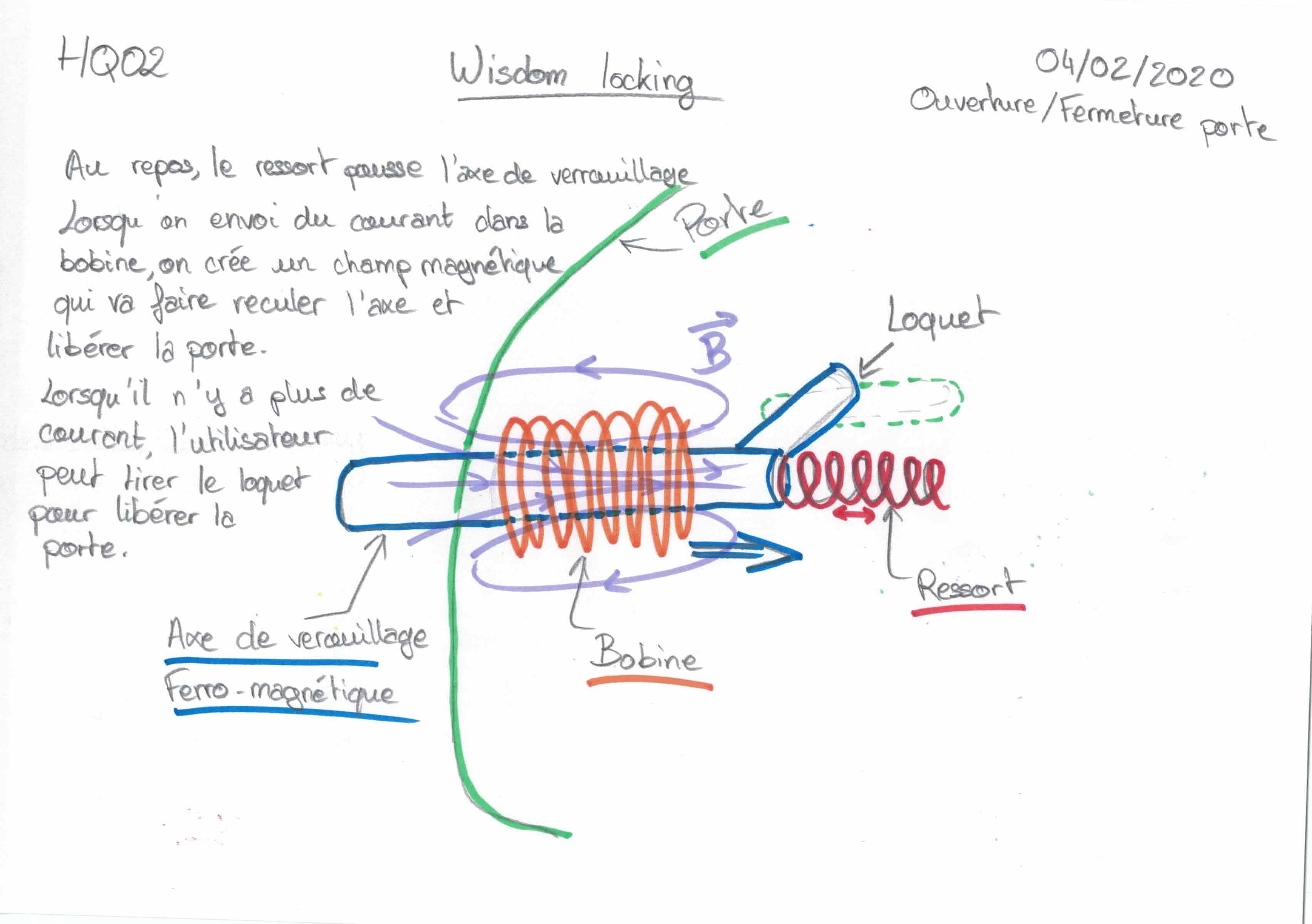
Spring lock
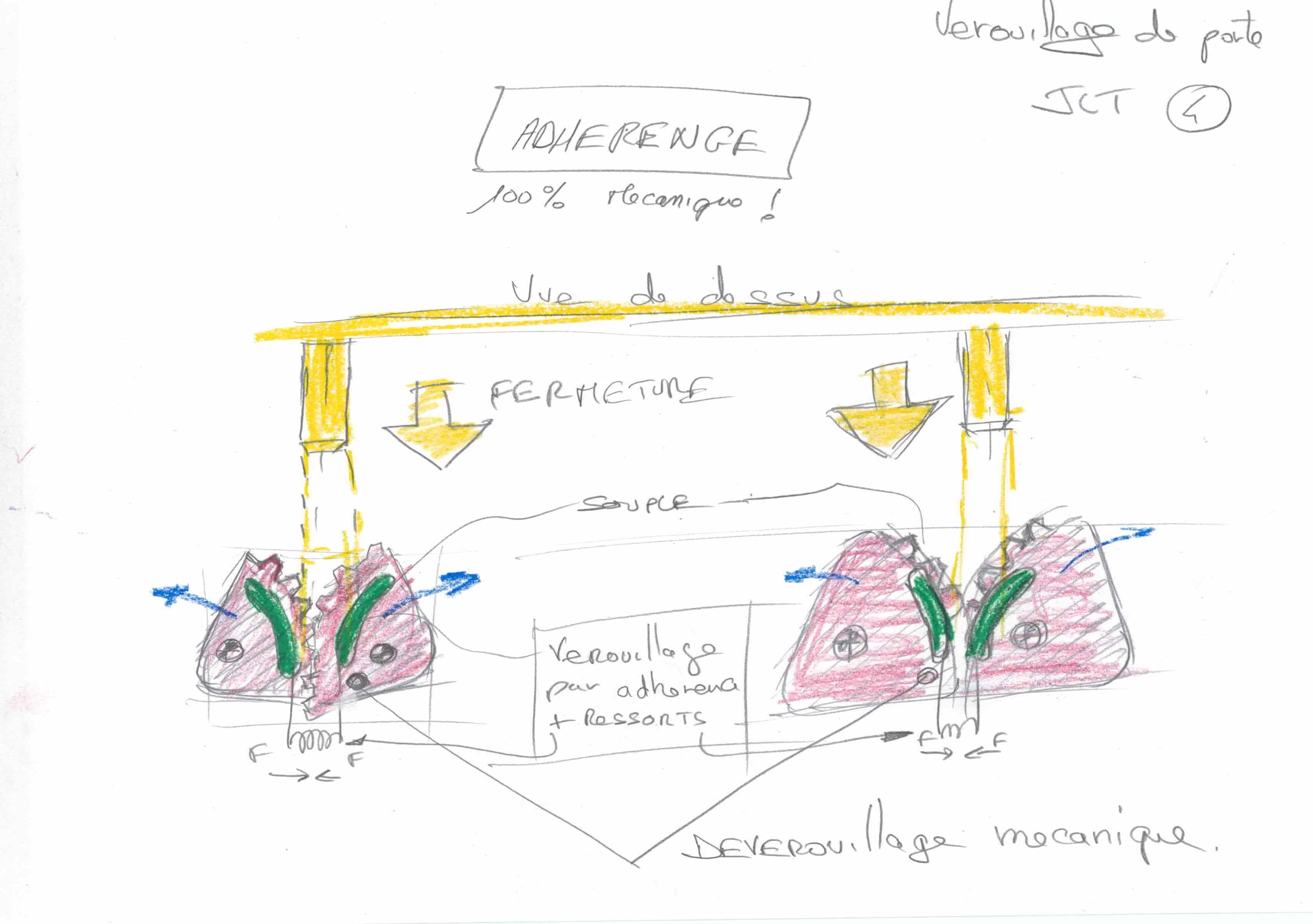
Magnetic locking
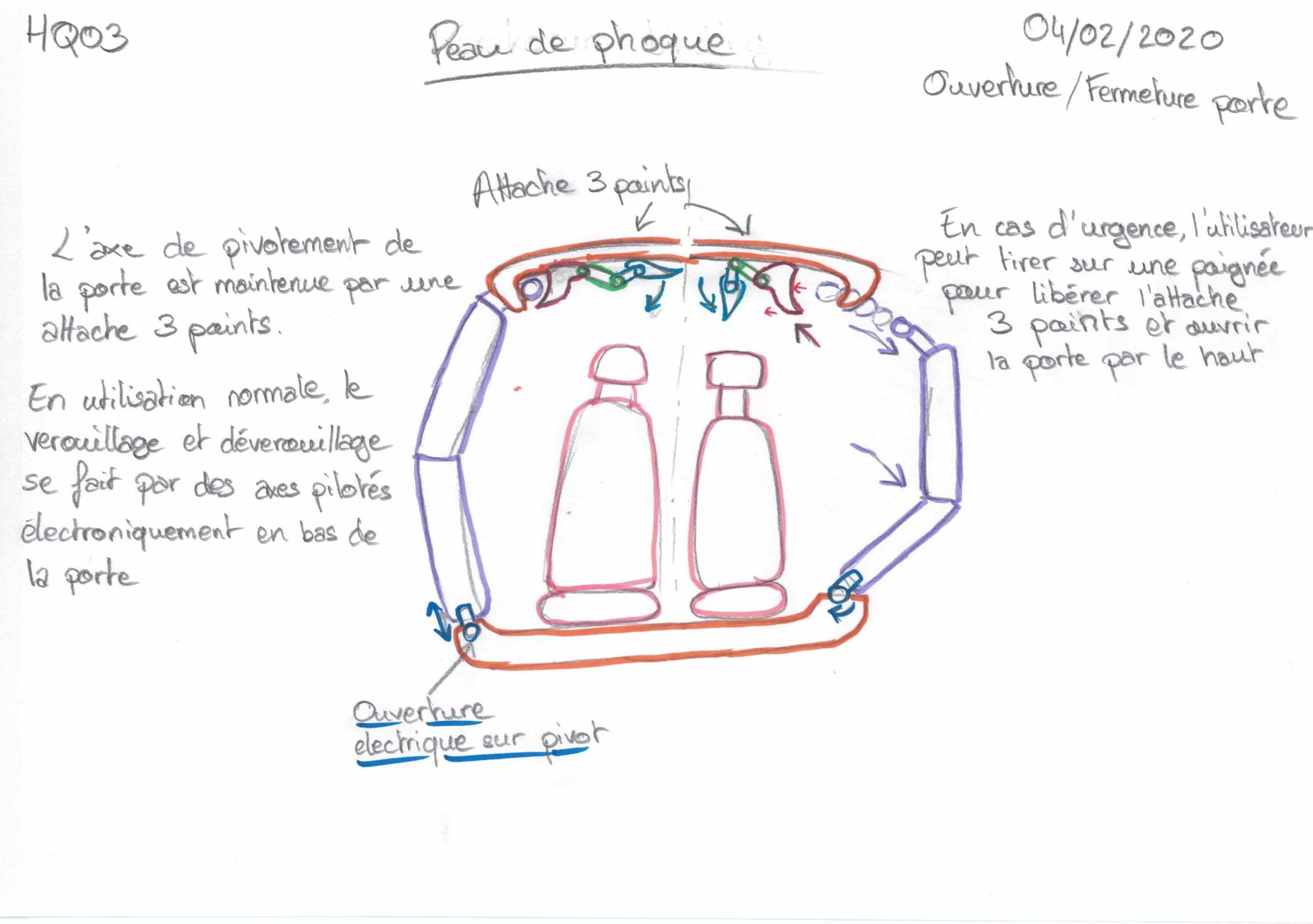
Three-point attachment
Flexible latch
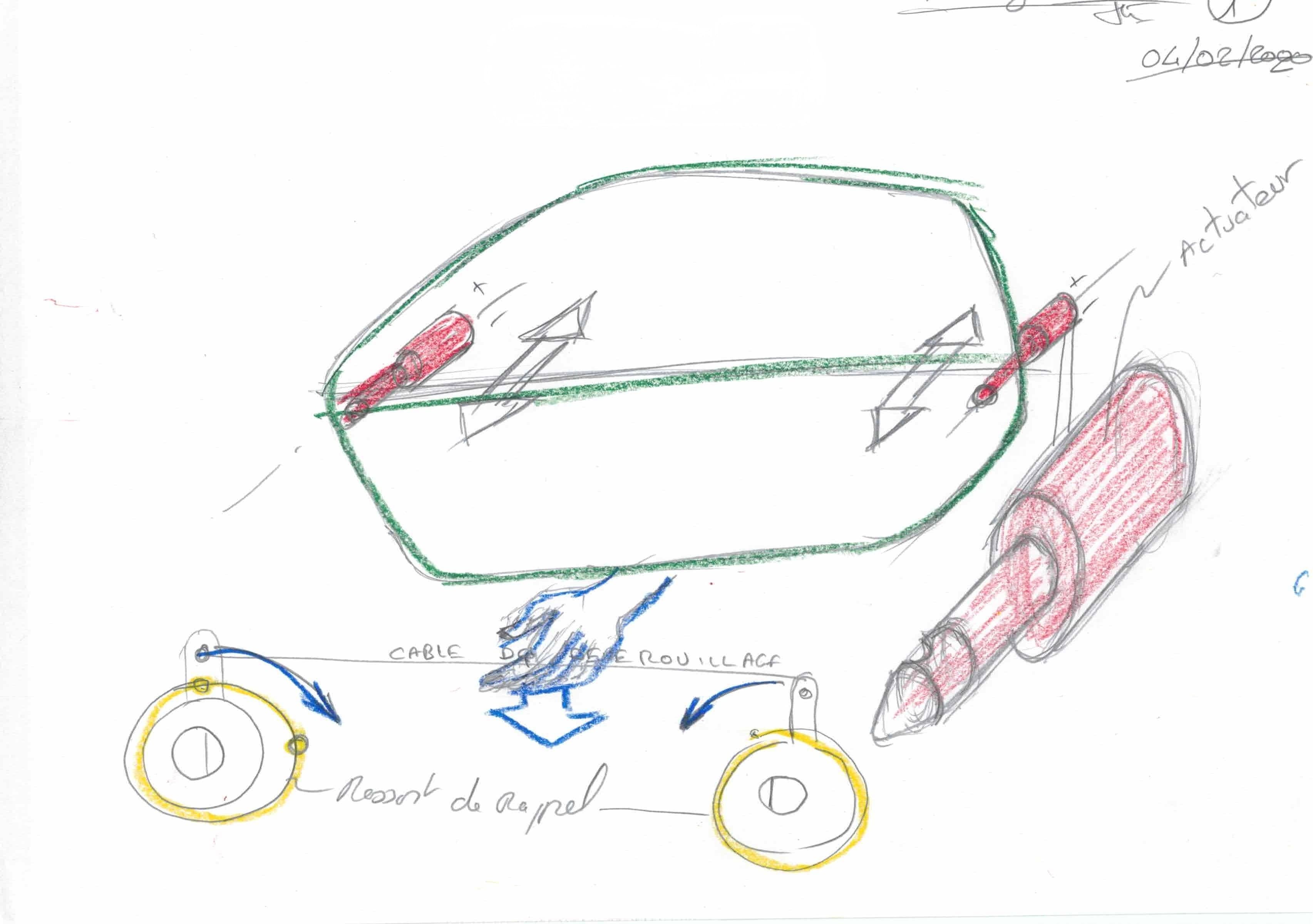
Mechanical unlocking
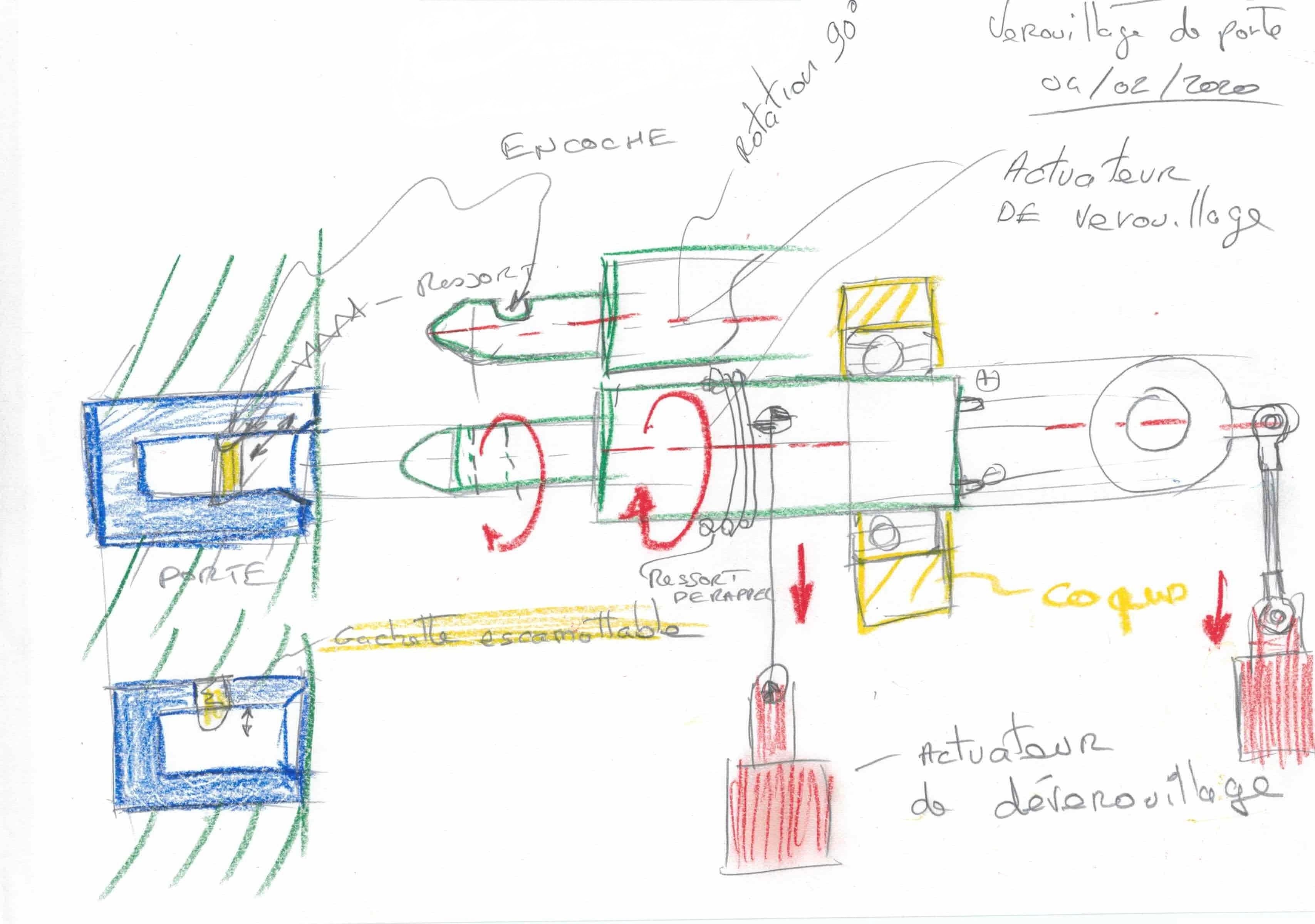
90° rotation
Mechanical adhesion


From concept to industrialization, we handle it all.

We move fast, adapt quickly and stay close to you.
Your ideas are safe with us. Always.
Precision engineering and premium quality by Swiss standards.
From the first conversation to technical decisions, find useful answers to understand where your project stands and plan the next step.
Individuals with an idea to develop, entrepreneurs, small and medium-sized businesses, and large companies. You can contact us at the earliest stages or with a project already underway. We adapt the scope to your needs and work with your teams when the project calls for it.
Yes. We can start from an idea, drawings, a prototype or an existing product. We review the work already completed and define the next useful steps from your current position.
Yes. A task can focus on a component, mechanism, simulation or component integration. We define its scope and interfaces with the rest of the product so that a focused assignment moves the project forward.
No. Your need may involve a single discipline or several. We identify the skills needed for your objective, such as exploring a concept, improving a component or preparing it for manufacturing.
Describe the problem, how the product will be used and what you have developed so far. Sketches, photographs, drawings and test results can help. Known constraints and your deadline make it easier to define the next steps.
The scope, deliverables and validation stages provide the basis for an estimate. The budget and schedule also depend on testing, sourcing and how far the project has progressed.
Depending on the assignment: concept sketches and a comparison matrix, CAD models, toleranced 2D drawings, a bill of materials, a POC, a prototype or a calculation report. Contents and formats are agreed at the start for the development stage.
Results are compared with the criteria agreed for that stage: function, use, mechanical behaviour or manufacturing. Remaining uncertainties help determine whether to proceed, revise the design or run another test.
Gather current drawings, material specifications, tolerances, intended quantities and inspection criteria. Discussions with the manufacturer help check feasibility before finalising the design or commissioning tooling.
We first target uncertainties that could change the concept. A calculation, proof of concept (POC) or partial prototype can help examine them before full development. Engineering, prototype, tooling and manufacturing costs are distinguished to decide where to invest.
No. A description of the problem, intended use and known constraints is enough to start structuring your requirements.
Yes, when an uncertainty warrants it. A proof of concept (POC) can be a simple test assembly or partial prototype that checks a principle with limited expenditure. The function to test and the success criteria are defined before it is built.
We agree the criteria and their importance with you: function, use, cost, space or manufacturing. The sketched ideas are assessed in a scoring matrix. Trade-offs and uncertainties remain visible when choosing which concepts to develop.
Yes. A problem with use, assembly or manufacturing can be the starting point. We examine the functions to preserve and the constraints to improve before proposing changes to the concept.
An idea still needs to be assessed against materials, loads, available space and manufacturing. Initial studies identify uncertainties and help decide what needs checking first.
A proof of concept (POC) checks the feasibility of a specific principle or function through a deliberately limited build. A more complete prototype can examine several functions and their integration. A successful POC therefore does not validate the whole product or its readiness for production.
No. We start where you are: a blank-sheet idea, sketches, CAD models, a prototype or an existing product. We then clarify the functions to develop, interfaces to preserve and constraints to address.
The documentation can support prototyping or production. Manufacturing, testing and industrial support are specified within the agreed scope.
Drawings, CAD models, sketches, photographs and observations from an existing component can help. We identify missing information for the requested work, particularly interfaces, loads and functional dimensions.
The choice depends on function, loads, environment, weight and the manufacturing process. Assembly and cost constraints are also compared to identify a material suited to the product.
They define acceptable dimensional variations in manufactured parts. In an assembly, these variations affect clearance, guidance and clamping. Tight tolerances should therefore meet a functional need.
The geometry and specifications are assessed against the intended process. Access, functional surfaces, tolerances and assembly steps are reviewed to prepare documentation consistent with manufacturing and inspection.
Identify the parts that need inspection, cleaning or replacement, and the access required. Fasteners, disassembly and cable routing should account for these tasks and the operating conditions.
Available geometry, proposed materials, loads and operating conditions. Missing assumptions are clarified before calculations begin.
It helps identify overly fragile designs before manufacturing and can reduce prototype iterations. It also supports comparison of variants and targeted testing. Even a favourable result must be checked against representative physical tests: its validity depends on the assumptions, material and modelled conditions.
Yes, including studies of large deformations. The model is selected according to part behaviour, material data and contacts. For a clip, for example, the study can examine assembly deformation and transmitted forces; results are then compared with relevant physical tests.
Supports, contacts and loads describe how a component interacts with its surroundings. An unsuitable representation can substantially change the results, even when the geometry appears accurate.
We examine how results change with element size and distribution. The quantity relevant to the decision should stabilise; highly localised peaks also require a review of geometry and applied conditions.
Yes. Variants can be studied under comparable conditions to understand their differences. This guides design while accounting for manufacturing constraints and the tests still needed.
A fatigue study can estimate the effect of repeated loads when the operating cycles and material data are appropriate for the case. A static calculation alone cannot establish service life; assumptions and the need for physical tests must be considered.
It depends on what needs validation. A POC can isolate a mechanism in a simple test assembly. Ergonomics requires a representative shape; robustness or service life requires suitable materials, assemblies and test conditions.
Not necessarily. Materials, tolerances, assembly and the production process may need a separate industrialisation stage.
A principle, function, ergonomics, robustness or service life, depending on the build and the planned tests. We define the criteria before manufacturing. Conclusions remain limited to the functions, materials and conditions actually represented.
Each test can reveal something to improve or an assumption to revisit. Successive versions make it possible to test changes and develop the design using concrete observations.
Yes. We examine its construction, results and the difficulties encountered. Changes are then focused on the functions or operating conditions that still need checking.
Before testing, define the function, operating conditions and expected result. Observations can then inform a decision: keep the solution, adapt it or carry out another test.
The prototype and tests should represent the actions and conditions being assessed. Having relevant users handle the product can reveal difficulties with handling, understanding or assembly, which can then guide design changes.
Ideally before fixing the geometry or commissioning tooling. We can also analyse difficulties with an existing component.
We have coordinated tooling, injection trials and initial production runs. DOMTEKNIKA’s role and the partners’ roles are agreed for each project.
Geometry affects filling, cooling and ejection. Considering wall thickness, draft and tooling access during design helps limit changes later in development.
Not always. A geometry developed for a prototype may need changes to its walls, ejection or assembly. The production material and process must be considered before specifying tooling.
The choice depends on use, loads, temperatures, environment and the processing method. Material properties are assessed together with component geometry and product requirements.
Dimensions, appearance, assembly and function are assessed against the intended requirements. Observations identify any changes to geometry, tooling or process needed before production continues.
It can be, but tooling cost, quantities, geometry and material must be compared. The choice depends on total cost and product requirements, before investing in a mould.
We develop our own electronics to operate the prototypes of products we design. This covers circuits, component selection and development of the agreed functions, alongside the mechanical design.
Not always. A simple assembly in an enclosure may be enough to verify a function. A printed circuit board (PCB) can then provide a more compact implementation when the project needs it.
Yes. We can design PCB electronics to fit the space available in the prototype. Functions, power, connections and mechanical constraints are defined together.
Yes. We agree how development is shared with your teams or partners and define the interfaces between the circuits and mechanics. Work can cover new electronics or integration of an existing design.
The required functions, intended use, available space and power constraints. Existing components, schematics or prototypes can provide a starting point.
We check power, controls and functions together with the product’s mechanisms. Criteria and test conditions are agreed beforehand; the results guide corrections and subsequent versions.
Not automatically. The prototype verifies the intended functions. Production preparation, further testing and any applicable compliance requirements need to be defined for industrialisation.
Tell us about your idea or project. Together, we can define the next step and the support you need.
Start your project